Phonics at ACE
What is Phonics?
Phonics is a way of teaching children to read and spell by helping them understand the relationship between letters and the sounds they represent.
At Altrincham CE Primary School, we use the ActiveLearn Phonics Bug programme to support the systematic teaching of phonics. Children learn to recognise and pronounce sounds, blend sounds together to read words, and segment words into sounds to support spelling.
Our aim is for every child to develop the confidence, accuracy and fluency they need to become enthusiastic and successful readers.
We have a Parents Workshop all about Phonics which we do each year, Miss Todd led this at the very start of the school year. All information that was talked about is available in the presentation linked below;
Bug Club video attached here for parents;
Our Approach to Phonics
At ACE, phonics is taught systematically, consistently and with high expectations. We follow a clear progression so that children build securely on their previous learning and know more, remember more and can apply their phonics knowledge independently.
Every phonics session provides opportunities for children to:
· revisit previously taught sounds and words
· learn and practise new sounds and graphemes
· develop accurate pronunciation
· blend sounds to read words
· segment words for spelling
· read and write words and sentences
· practise tricky and common exception words
· apply their phonics knowledge in reading and writing.
We make phonics active, engaging and purposeful, giving children plenty of opportunities to practise and apply their learning rather than simply memorising sounds.
What does phonics look like for our children?
A typical phonics session includes a combination of review, new learning, guided practice and independent application.
Teachers model sounds and blending clearly, children practise together and then have opportunities to demonstrate what they can do independently. We use questioning, observation and assessment throughout the session to identify misconceptions and respond immediately.
Children are encouraged to explain their thinking, listen carefully to one another and develop the confidence to have a go.
Supporting Every Child
We recognise that children learn to read at different rates. Our teaching is responsive to individual needs, ensuring that children who need additional support receive it quickly, while children who are ready for greater challenge are given opportunities to deepen and apply their knowledge.
We use ongoing assessment to identify:
· sounds and graphemes that children have not yet secured
· difficulties with blending or segmenting
· misconceptions in pronunciation
· gaps in knowledge
· children who need additional opportunities to practise
· children who are ready to move on or apply their learning in more challenging ways.
Where children need additional support, targeted intervention is put in place promptly. This may include additional small-group teaching, extra opportunities to practise specific sounds or blending, or individual support.
Children who are secure are not simply given more of the same. They are challenged to apply their phonics knowledge in increasingly complex words, sentences, reading and writing.
Learning to Read
Children are taught the alphabetic code progressively, learning the sounds represented by letters and groups of letters (graphemes). They practise blending these sounds together to read words and develop their ability to recognise familiar words quickly and automatically.
Phonics Bug provides a structured sequence of learning, with children regularly revisiting previously taught sounds while being introduced to new ones. Children apply their phonics knowledge when reading words, sentences and carefully matched books.
As children become more confident, they develop increasing fluency and independence when reading. We encourage children to read with expression, develop their understanding of what they have read and, most importantly, develop a genuine love of reading.
Blending – sounding out words
Blending is an important part of learning to read. Children are taught to say the individual sounds in a word and then blend them together to read the whole word.
For example:
c – a – t → cat
sh – i – p → ship
Children are encouraged to use their phonics knowledge to work out unfamiliar words rather than guessing from pictures or context.
Segmenting – spelling words
Children also learn to segment words into their individual sounds in order to spell them.
For example:
dog → d – o – g
fish → f – i – sh
This helps children apply their phonics knowledge when writing independently.
Tricky Words
Some words cannot be easily decoded using the phonics patterns children have been taught. These are sometimes referred to as tricky words or common exception words.
Children are taught to recognise these words and practise reading and spelling them as part of their phonics learning.
Phonics Across Reception, Year 1 and Year 2
Reception
In Reception, children begin by developing their listening skills and awareness of sounds before progressing through the systematic teaching of phonics.
Children are taught new sounds regularly and have frequent opportunities to recognise, pronounce, blend and segment sounds and apply their knowledge in reading and writing.
The pace of learning is carefully adapted to meet the needs of individual children.
Year 1
In Year 1, children continue to build on their Reception phonics knowledge, developing their understanding of increasingly complex graphemes and alternative pronunciations.
They apply their knowledge when reading and spelling increasingly challenging words and sentences. Regular assessment ensures that gaps are identified and addressed so that children continue to make strong progress.
Children also complete the Year 1 Phonics Screening Check, which provides an opportunity to assess their ability to apply their phonics knowledge when reading words.
Year 2
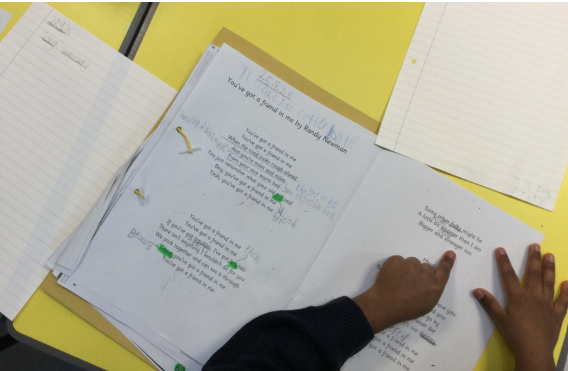
Following completion of Phase 6 Bug Club Phonics, children are given opportunities for class group reading sessions. We follow the Comprehension Ninja scheme which includes non fiction, fiction and poetry. To further enrich the scheme, children are exposed to different genres of writing including fact files, song lyrics, news articles, classic stories and classic poetry. Children are taught the skills required to retrieve, infer, predict, sequence and summarise texts. Through reading different texts we aim to foster a life long love of reading.
Reading at Home
Reading regularly at home makes a significant difference to children's progress.
Your child will bring home a reading book that is closely matched to the phonics they have been learning in school. This allows children to practise the sounds and words they already know and experience success as they develop their reading fluency.
When reading with your child, please encourage them to:
· look carefully at each word
· say the sounds they recognise
· blend the sounds together
· re-read sentences to develop fluency
· talk about what they have read
· discuss unfamiliar vocabulary and the meaning of the story.
Please praise your child's efforts and encourage them to have a go at unfamiliar words.
How can I help at home?
The most important thing you can do is read regularly with your child and enjoy books together.
You can also support your child's phonics learning by:
· practising the sounds that have been taught in school
· encouraging your child to spot familiar sounds and words in everyday life
· practising blending simple words
· helping your child hear the sounds in words when spelling
· reading your child's school reading book regularly
· sharing a wide range of stories, poems and non-fiction books
· talking about characters, events, vocabulary and what your child thinks might happen next.
Try to keep phonics practice short, positive and enjoyable.
Useful Phonics Bug Resources
Phonics Bug provides a range of resources to support children's phonics learning and reading at home.
Your child's teacher will share information about the sounds and words your child is currently learning, along with any resources or activities that may be useful for practising these at home.
Here is the direct link to the website to access the online library; ActiveLearn: Login
Usernames and passwords have been given out or you can ask your child's teacher to give you this.
How do we know children are making progress?
Assessment is an integral part of our phonics teaching.
Teachers continually assess children's understanding during phonics sessions and use this information to adapt teaching, revisit learning and provide additional support where necessary.
We look not only at whether children can recall individual sounds, but whether they can apply their phonics knowledge accurately and independently when reading and writing.
This ongoing assessment helps us identify gaps early and ensures that children receive the right level of support and challenge.
What makes phonics at ACE successful?
Our phonics provision is underpinned by:
Consistency – children experience a clear and systematic approach across Reception, Year 1 and Year 2.
High expectations – every child is expected to become a reader and is supported to achieve their potential.
Responsive teaching – assessment informs what we teach next and where children need further practice.
Early identification – gaps and misconceptions are identified quickly so that additional support can be provided.
Targeted intervention – children receive additional teaching where needed, helping them to keep up with their peers.
Challenge – children who are secure in their phonics knowledge are given opportunities to apply and extend it.
Application – children are taught to use their phonics knowledge in real reading and writing, not simply recall sounds.
A love of reading – alongside phonics, children experience a rich diet of high-quality stories, poetry and non-fiction, helping them develop vocabulary, comprehension and a lifelong enjoyment of books.
Our aim is not simply for children to complete a phonics programme. We want every child to leave the early years and Key Stage 1 able to read accurately, fluently and with confidence, with the skills and motivation to become a lifelong reader.
A Note for Parents
It is perfectly normal for children to progress through phonics at different rates. Some children will need more opportunities to practise and revisit sounds before they become secure.
At school, we use ongoing assessment to identify children who need additional support and provide targeted teaching and opportunities for further practice.
If you are unsure about how to pronounce a sound, blend a word or support your child's reading at home, please speak to your child's class teacher. We are always happy to help.